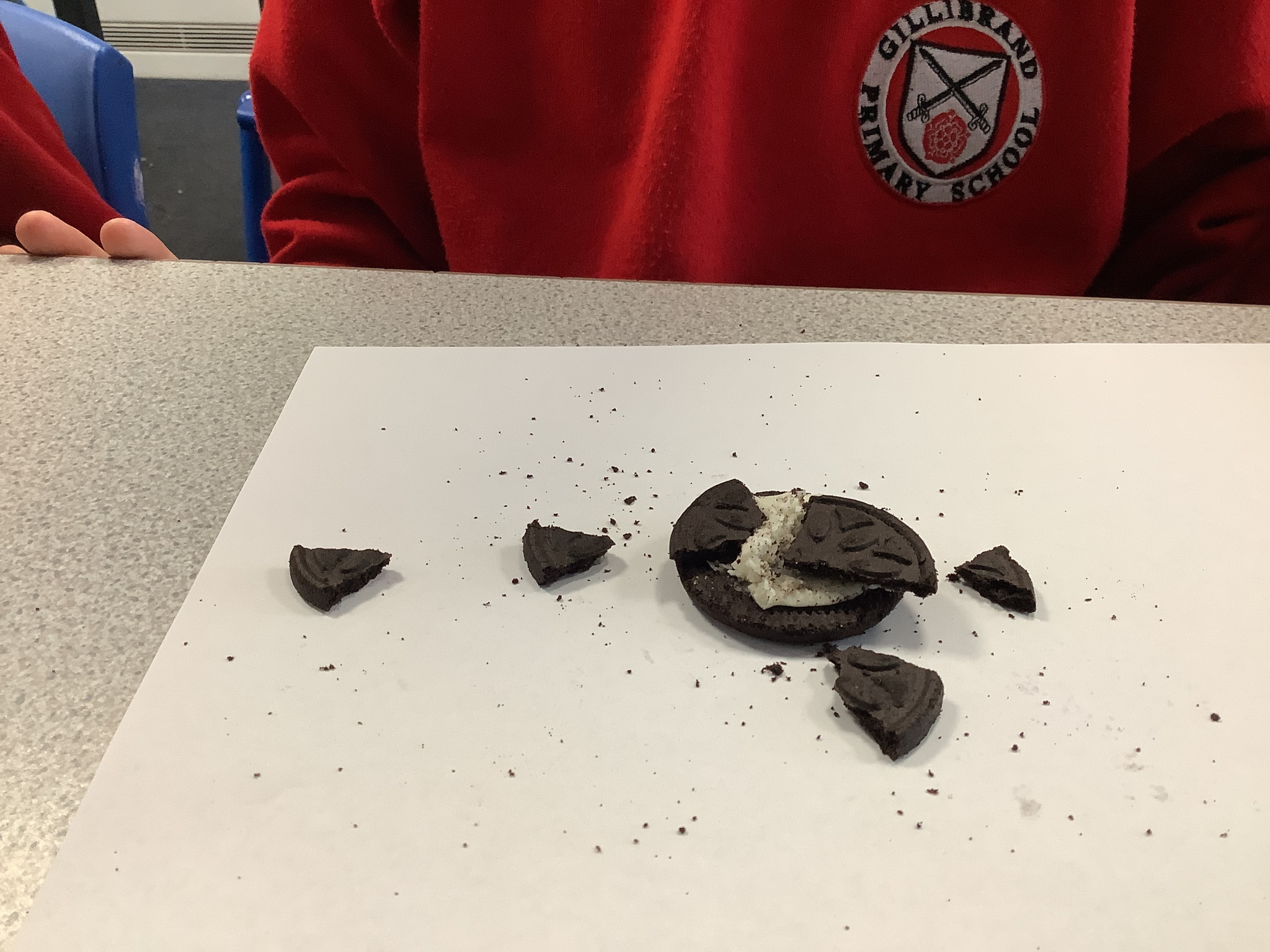
Excitement filled the classroom this week as Year 4 pupils became mini geologists, exploring how the Earth’s surface moves—using an unusual but delicious resource: Oreo biscuits!
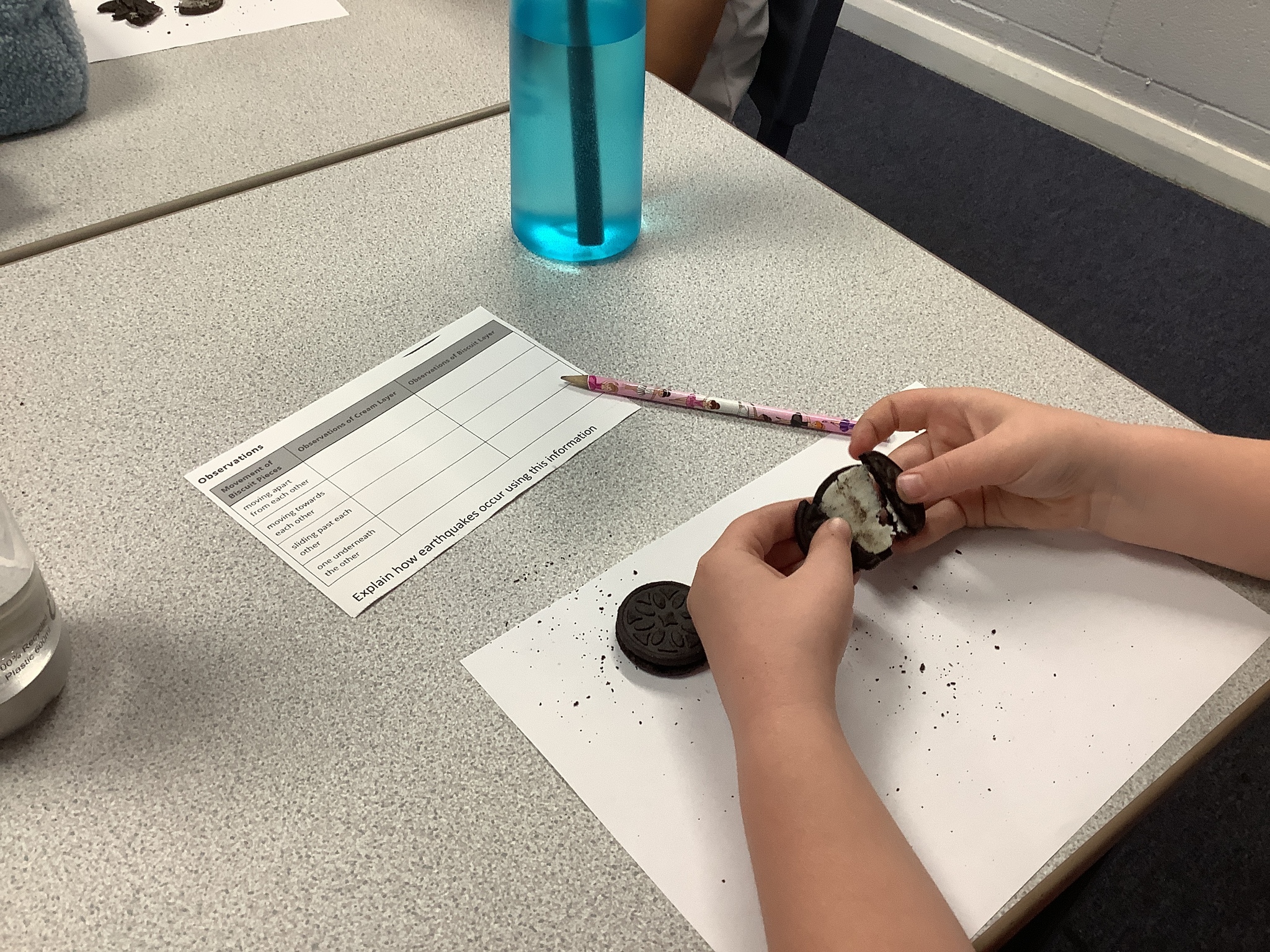
As part of their science topic on tectonic plates, the children investigated how the Earth’s crust is made up of giant pieces that slowly shift over time. To help bring this tricky concept to life, pupils used Oreos to model the different types of plate movement.
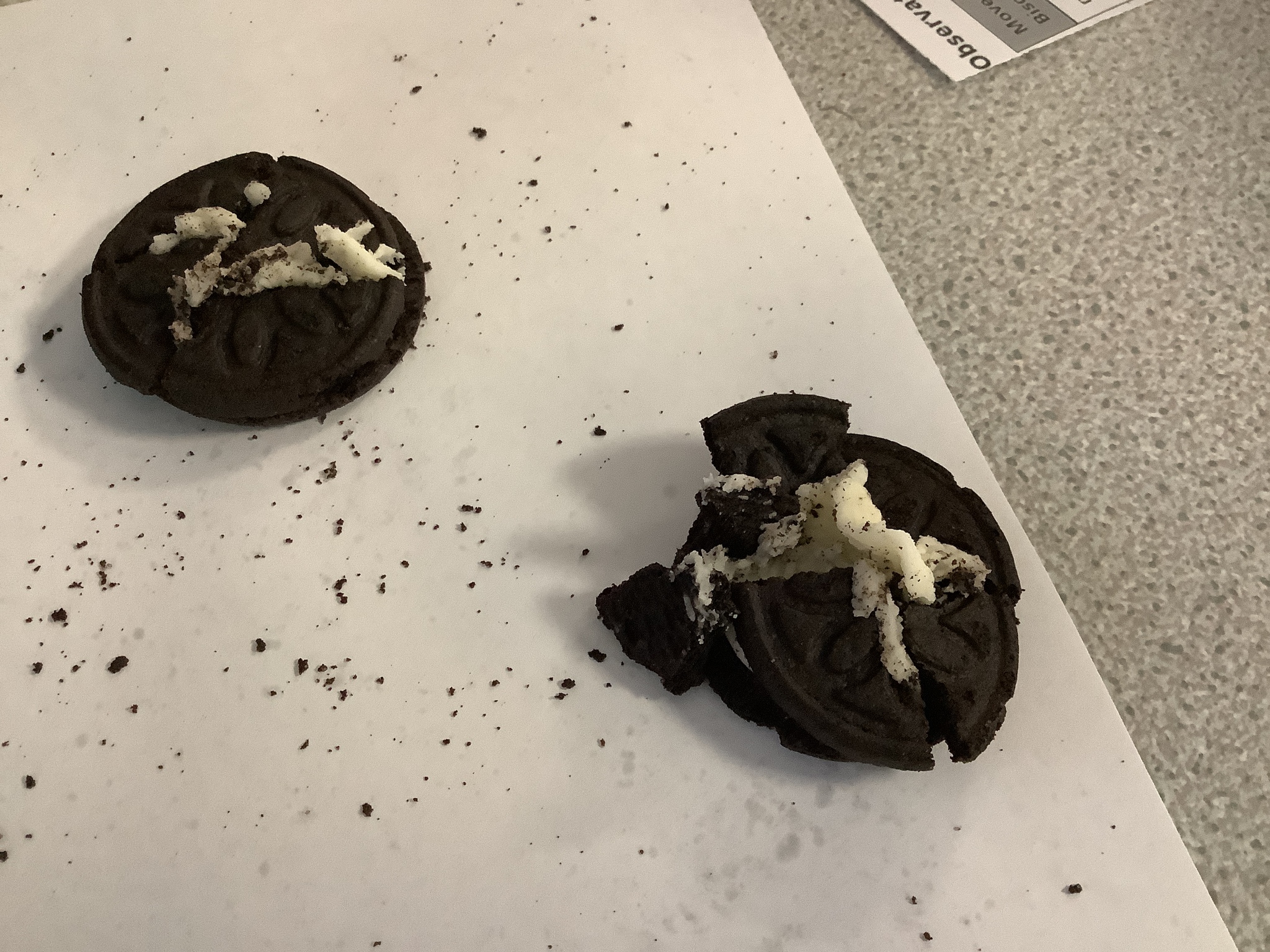
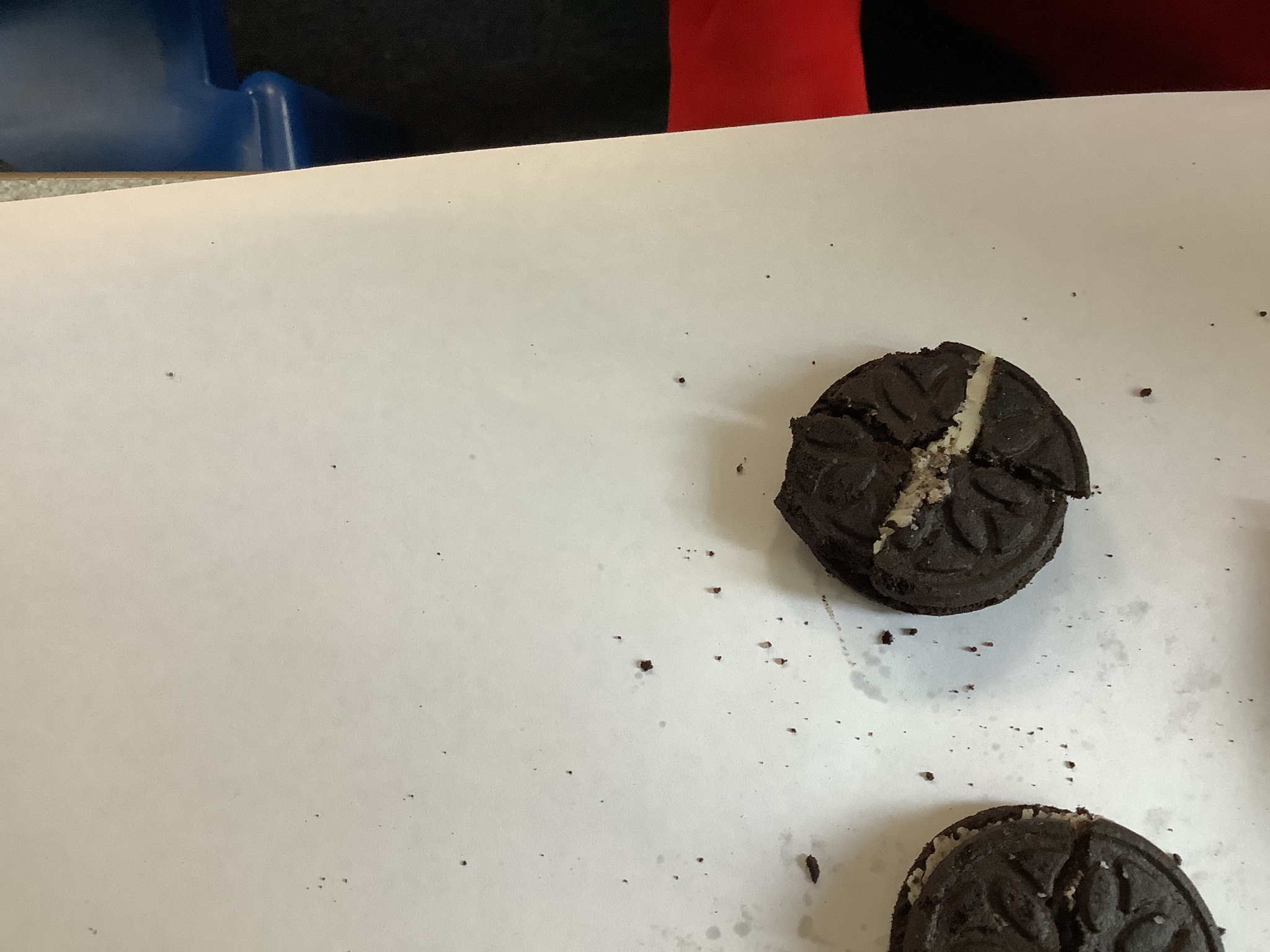
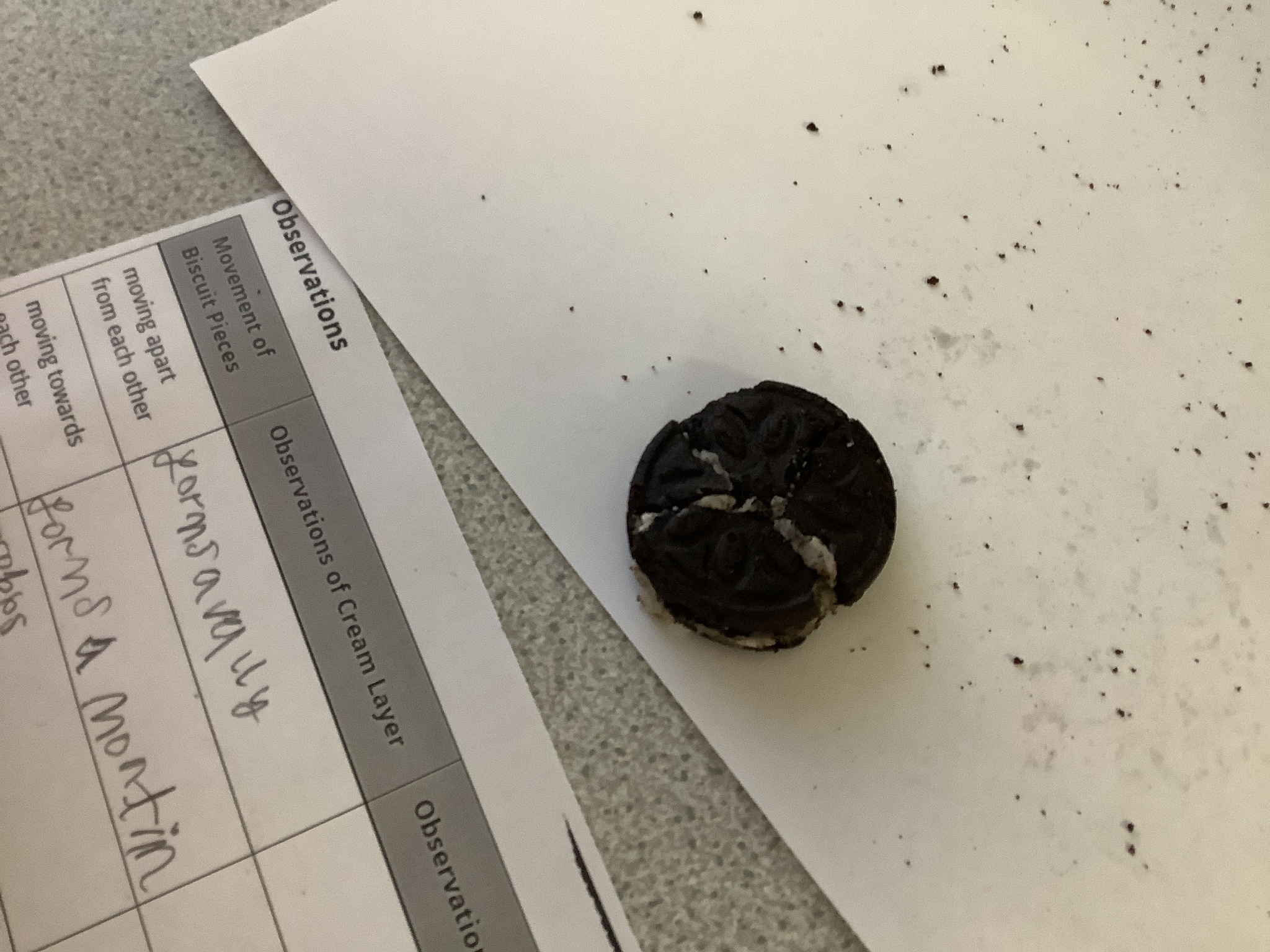
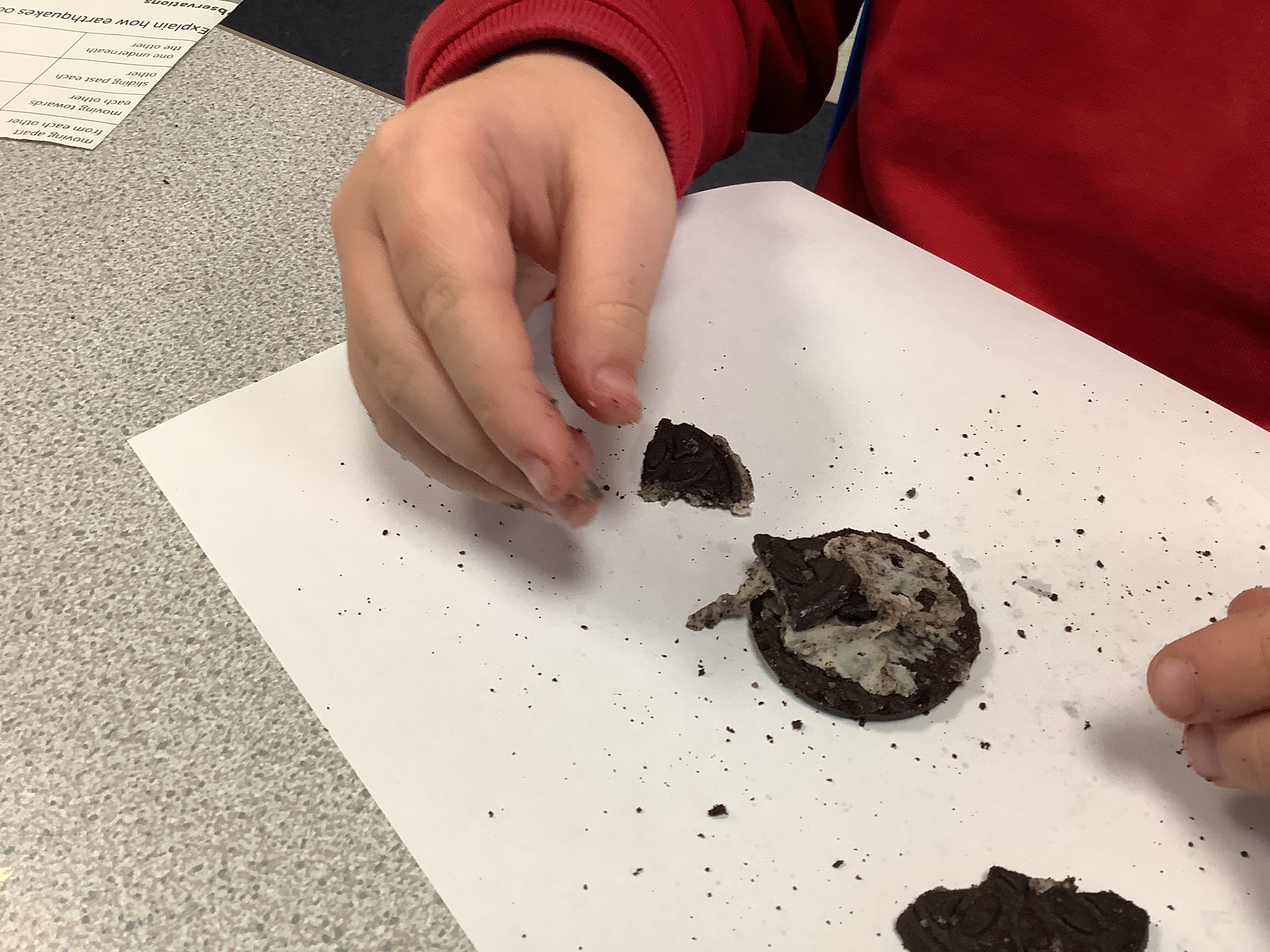
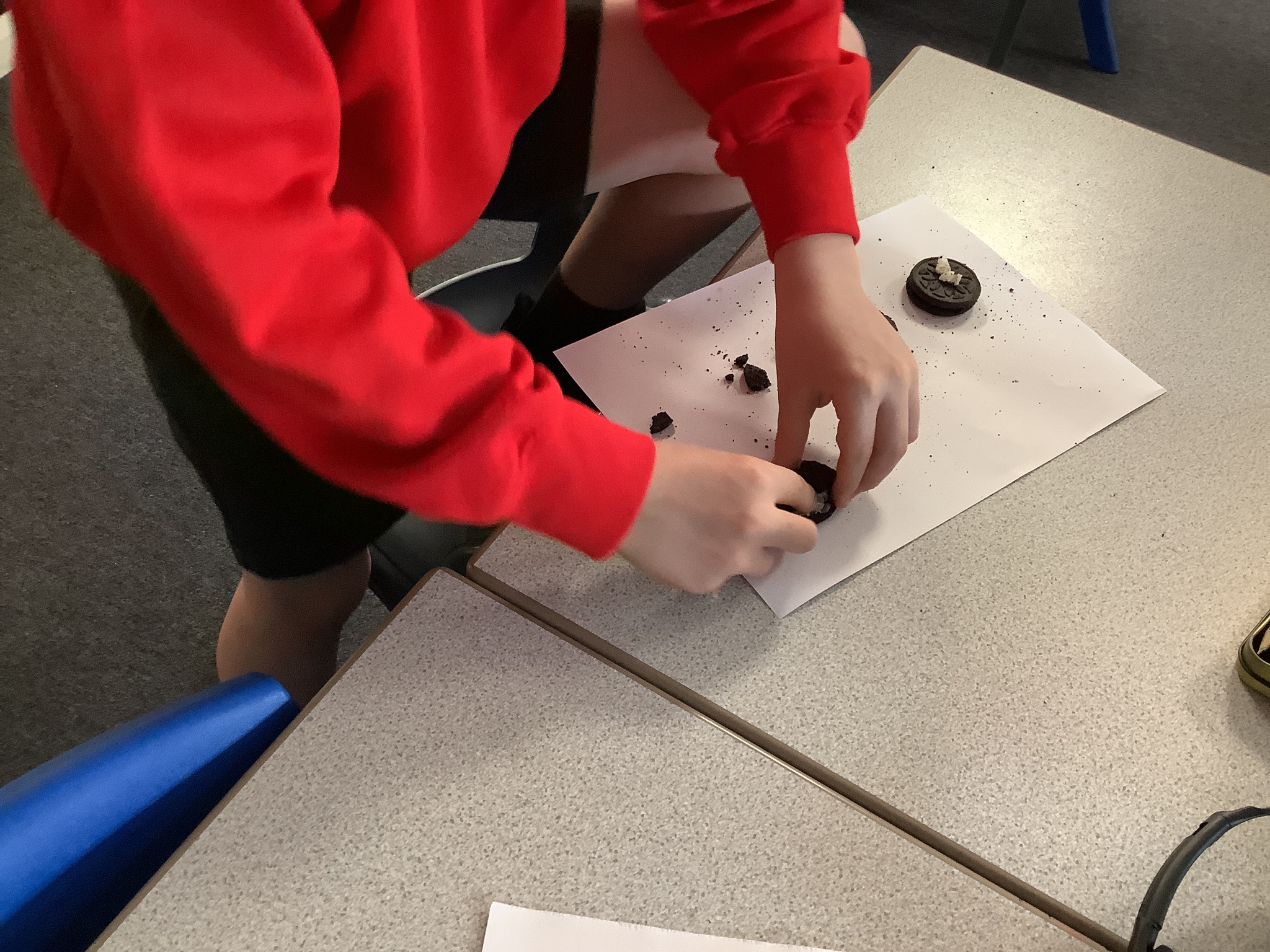
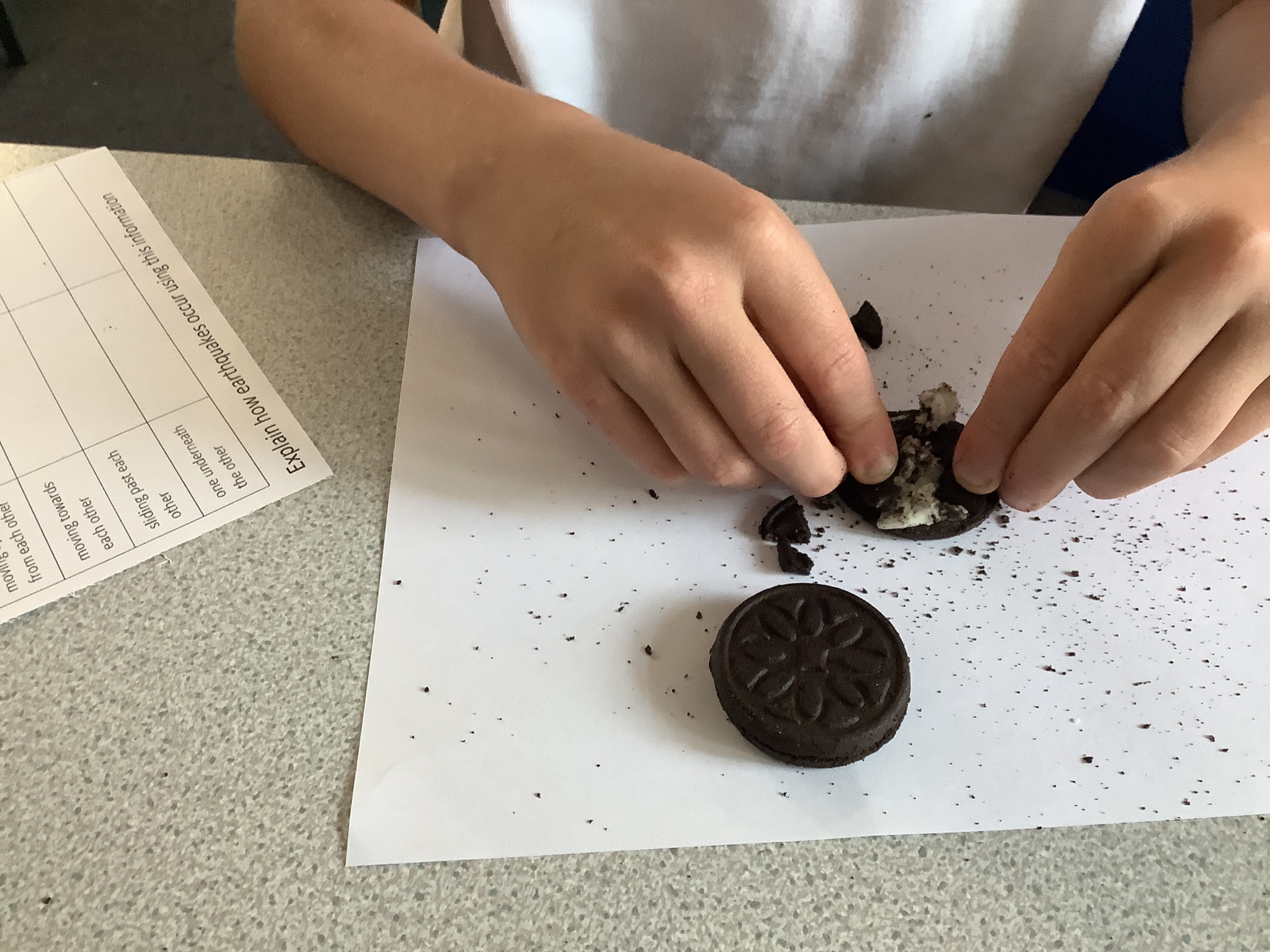
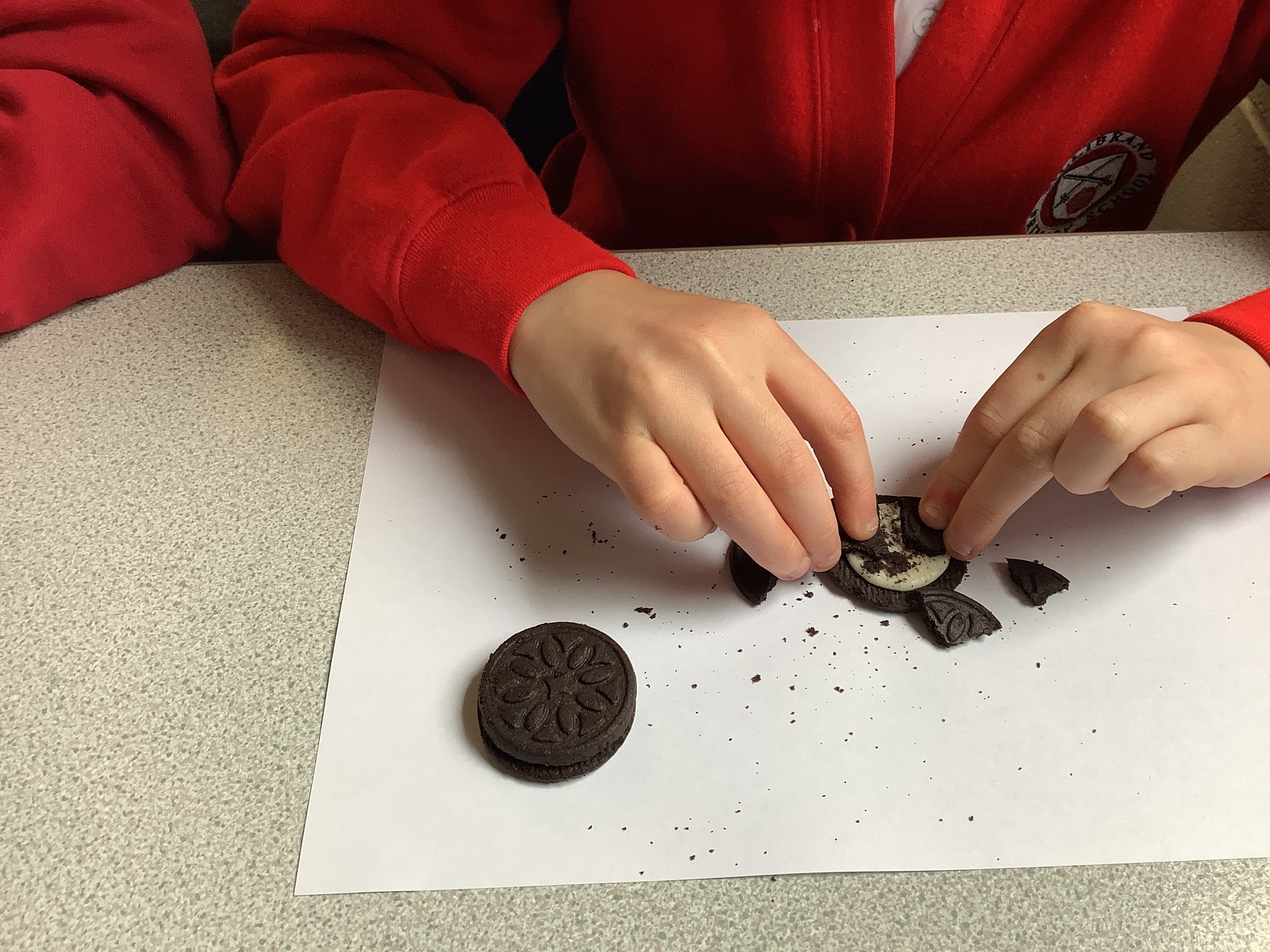
First, they carefully twisted their biscuits apart to reveal the creamy filling—representing the soft layer beneath the Earth’s crust. Then the real fun began! By pushing, pulling, and sliding the biscuit halves, the children recreated three types of tectonic plate boundaries:
- Convergent boundaries (plates pushing together), where they saw the “crust” crumple just like mountains forming.
- Divergent boundaries (plates moving apart), creating a gap like the formation of new land.
- Transform boundaries (plates sliding past each other), mimicking the movement that can cause earthquakes.
Pupils were fully engaged, combining hands-on learning with scientific thinking. One student said, “It was fun and tasty! I understand tectonic plates much better now.”
The lesson not only helped deepen their understanding of Earth science but also showed how creative approaches can make learning memorable. And of course, the best part? After the experiment, the children got to enjoy their models!
A truly ground-breaking lesson in every sense!
Tectonic Plates in Year 4